HomeProjectsTeamBlogContact
What are cultural evenings?
Erasmus+MusicCultureVolunteering

What are cultural evenings?

March 14, 2025
0 min read
S

Serra Çınay Tezer

Author

What are cultural evenings?

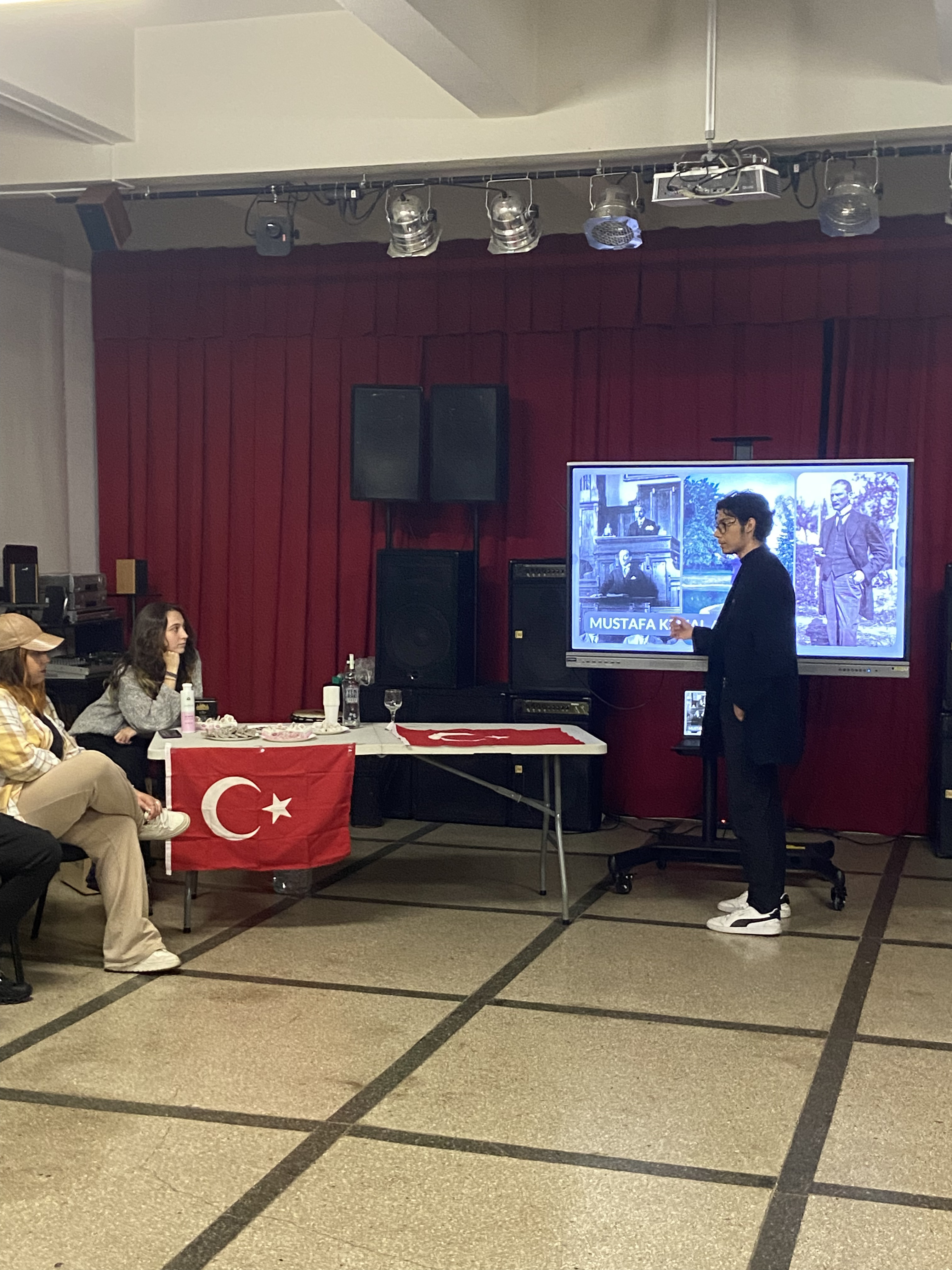
Cultural evenings are social and cultural activities held after workshops in Erasmus+ projects and similar international mobility programmes. They are one of the most effective ways to increase interaction among participants from different countries. Through presentations, food tastings, traditional dances, music, and games, participants get to know each other’s cultures closely.

How are cultural evenings organised?

Cultural evening

Each country team hosts its cultural evening on a scheduled day and time, according to a plan agreed before the project starts. Participants bring flags, traditional food and drinks, regional clothes, instruments, and other materials. They set up stalls in the event space and present their elements to others.

What happens during a cultural evening?

Presentations: informative and fun talks about the country’s history, geography, traditions, and important figures and places.

Food and drink: participants share dishes and drinks they brought from home.

Dance and music: traditional dances and folk music; participants are invited to join; music from each country creates a lively atmosphere.

Games and activities: cultural games and costume moments that bring people together.

What do cultural evenings give us?

  1. Experiencing cultures directly: tasting, hearing, and seeing beats only reading about them—and creates lasting learning.
  2. Sparking curiosity: new flavours and sounds often inspire future travel and learning.
  3. Building friendships: shared evenings break the ice across languages and countries.
  4. Communication and presentation skills: presenting to a group builds confidence and clarity.
  5. Fun: learning while laughing together.

If you want to hear about Erasmus+ opportunities and present your own country in cultural evenings, join our community!

Related posts

The importance of digitalization in Erasmus+ projects and areas for development

The importance of digitalization in Erasmus+ projects and areas for development

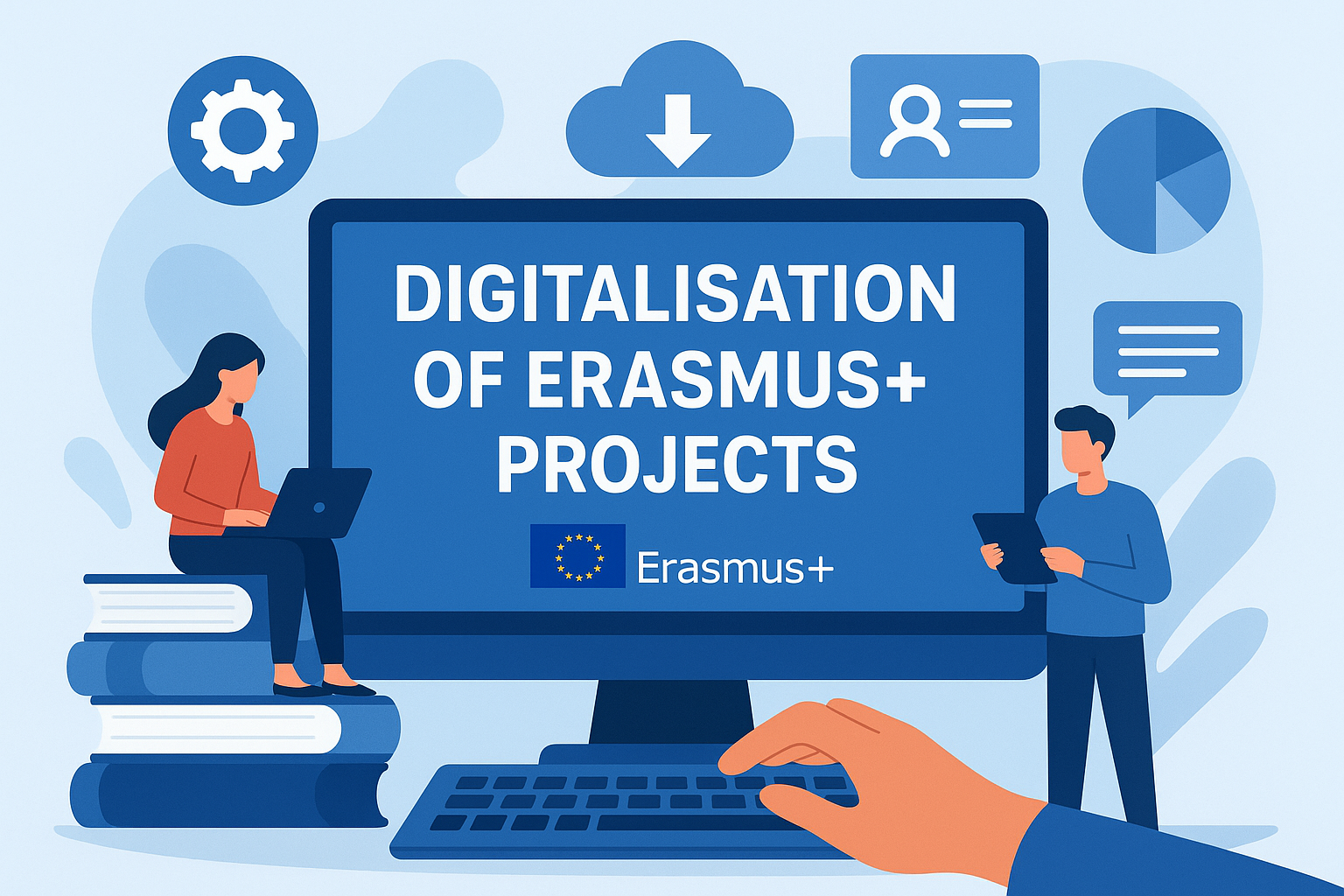
Digitalization now shapes education, work, and social life. Youth-focused Erasmus+ projects must be part of this shift—through digital tools, literacy, and inclusive access.

Read more →
Erasmus+ and the green transition: small steps for our future

Erasmus+ and the green transition: small steps for our future

Climate change, plastic pollution, and resource depletion are growing threats. Erasmus+ connects young people with green projects across Europe—from community gardens to zero-waste habits.

Read more →
What is “Secret Friend” in Erasmus+?

What is “Secret Friend” in Erasmus+?

Secret Friend is a heart-warming Erasmus+ tradition: draw a name anonymously, leave small surprises, and build connection before identities are revealed at the end of the week.

Read more →
Sustainable Development Goal 1
Sustainable Development Goal 2
Sustainable Development Goal 3
Sustainable Development Goal 4
Sustainable Development Goal 5
Sustainable Development Goal 6
Sustainable Development Goal 7
Sustainable Development Goal 8
Sustainable Development Goal 9
Sustainable Development Goal 10
Sustainable Development Goal 11
Sustainable Development Goal 12
Sustainable Development Goal 13
Sustainable Development Goal 14
Sustainable Development Goal 15
Sustainable Development Goal 16
Sustainable Development Goal 17
Pacem LogoPacem

Empowering youth through education and cultural exchange.

Organization

  • About Us
  • Our Team
  • Projects
  • Blog

Get Involved

  • Become a Volunteer
  • Partner With Us
  • Contact

Contact

  • İstanbul, Türkiye
  • contact@pacemyouth.org

Co-funded by Erasmus+ Programme

© 2026 Pacem Youth. All rights reserved.

Si Vis Pacem, Para Bellum